
Q-PrEP 2026:
From Awareness to Action
The Hague, 16.09.2026
We have announced already to some of you – in personal conversations, during our webinars/workshops, and in on-site presentations of Q-PrEP at different occasions – that we are planning a second in-person workshop for Q-PrEP & its community in 2026.
Today, we – the Q-PrEP project team – would like to inform you about our second in-person workshop at the
Ministry of the Interior and Kingdom Relations
in The Hague, Netherlands, on September 16, 2026
Location/Address:
Our special thanks go to our dear community members and local hosts of the workshop, Pieter Schneider and the Ministry of the Interior and Kingdom Relations, for enabling us to conduct this workshop in the Netherlands.
Important: Bring a form of ID (for example a passport, identification card or EU driver license) so that you can enter the building.
Ministerie van Binnenlandse Zaken en Koninkrijksrelaties (BZK)
Turfmarkt 147
2511 DP Den Haag
The Workshop Agenda (draft, subject to change):
| Time | Topic | Speaker |
| 08:30 – 09:30 | Registration | Reception BZK |
| 09:30 | Opening & Welcome | Pieter Schneider (MinBZK, NL) Mathias Schumacher (NMWP, GER) |
| 9:40 | Cryptographic Inventories and Migrating Applications – insights from PCSI’s PQC workgroup | Manon de Vries (TNO, NL) |
| 10:00 | Privacy-Enhancing Cryptography In the Post-Quantum Era | Kristof Verslype (Smals, BE) |
| 10:20 | Coffee break | |
| 10:50 | PQC Maturity Assessment Framework for SMEs | Prokopios Drogkaris (ENISA, EU) |
| 11:10 | The Importance of Crypto Agility | Elif Yesilbek (NL) |
| 11:30 | Beyond PQC Algorithms: Preparing Defence Systems for the Quantum Transition | Johanna Sepulveda (AIRBUS) |
| 11:50 | PQC Timelines | Dr. Inga Paul (BSI, GER) |
| 12:10 | The Post-Quantum Transition for OPRF Protocol | Dr. Martina Vigorito (EPITA, FR) |
| 12:30 | Lunch Break | |
| 13:30 | Break out sessions | |
| Session 1: PQC for Critical Infrastructure [Location: Auditorium] | Topic leaders: Bob Oates (Cambridge Consultants, UK) and Jeroen Gaiser (MinIenW, NL) Support: Mark Chang (Capgemini Invent, UK) | |
| Session 2: Early Providers and Late Adopters – How to build a market for the future of cryptography? [Location: N36-12 Zuid Holland] | Topic leaders: Christian Fischer & Simon Etzold (NKCS, GER) and Vasileios Rentoumis (Deutsche Bundesbank, GER) Support: Priyanka Sureka (Capgemini Engineering, GER) | |
| Session 3: Post-Quantum Protection of Identity, Documents, and Data under Hardware-Constrained Conditions [Location: Z36-40 Den Haag] | Topic leaders: Siebren Lepstra (Justid, NL) and Adrian Neal (Capgemini, CH) Support: Mathias Schumacher (NMWP, GER) | |
| 15:00 | Coffee break | |
| 15:30 | Panel discussion: Who needs Q-PrEP? European public sector cooperation on PQC – now and in the future | Panel leader: Julian van Velzen Panelist: Yiannis Pavlosoglou (NCSA, GR) Juraj Kubica (EC) Max Grytz (Deutsche Bundesbank) Pangiotis Marzelas (ECCC) |
| 16:15 | A Stage-Based Growth Approach to PQC Transition | Dr. Ini Kong (NL) |
| 16:35 | From PQC Awareness to Action: The Leverage Points That Create Movement | Sjors Kasbergen (Stedin, NL) |
| 16:55 | Closing remarks | Mathias Schumacher (NMWP, GER) |
| 17:00 | Network drink | |
| 18:00 | End of program | |
Our contributors:
The list is updated regularly.
Max Grytz
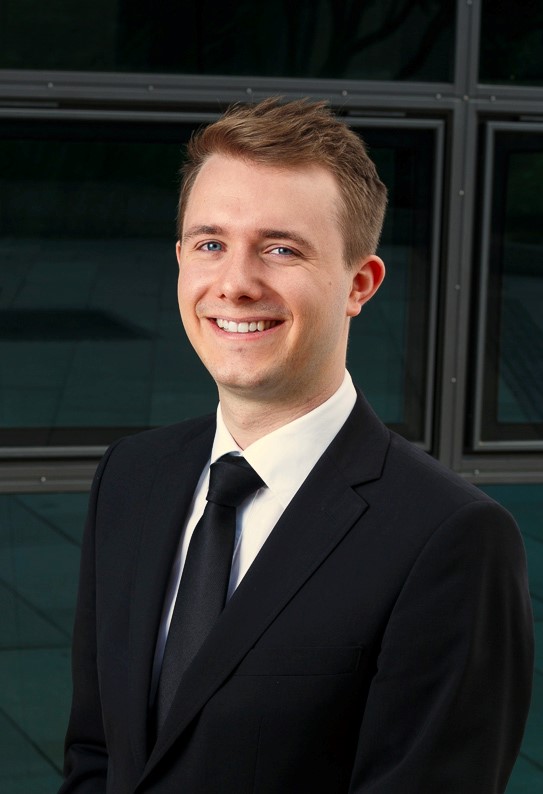
Max Grytz is Innovation Manager for Quantum Tech at Deutsche Bundesbank. He is part of a team that translates business needs into key technologies like DLT, IoT, quantum computing and a founding member of the Quantum team. He focuses on making quantum computing and quantum communication applicable for Deutsche Bundesbank.
Max works hands-on across the entire innovation pipeline: From ideation and identifying key use-cases, to developing prototypes, writing his own code, and pitching solutions. He holds a master’s degree in industrial engineering.
Vasileios Rentoumis
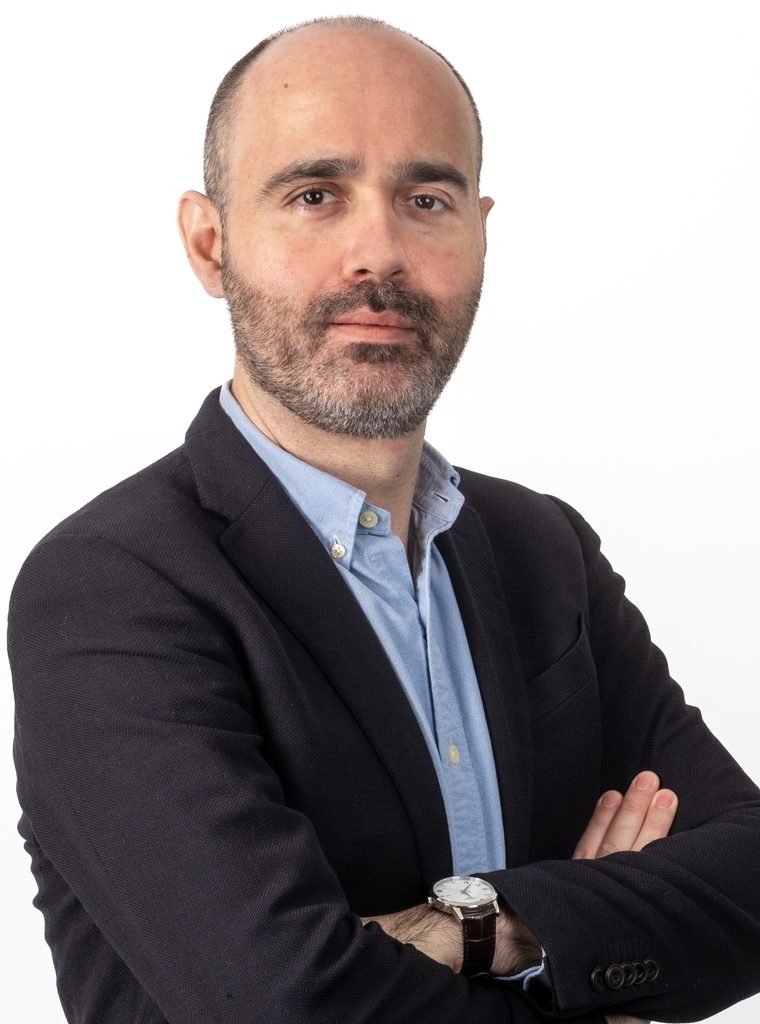
Vasileios Rentoumis is Innovation Manager for Quantum Technology at the Deutsche Bundesbank and founding member of the Quantum team. In this role, he explores the impact of quantum technologies and their potential contribution to the core services of the Bundesbank. He identifies the opportunities and risks of quantum technologies and helps prepare the Bank for them. As a project manager, he conducts proof of concept and technology assessments with internal and external expert teams.
With a technical background in software engineering for financial, banking and telecommunications applications, he draws on his expertise as a technical lead when required. His innovation projects include applications for central banks and proofs of concept for quantum communication. He holds a Bachelor’s degree in Physics and a Master’s degree in Applied Mathematics.
Inga Paul
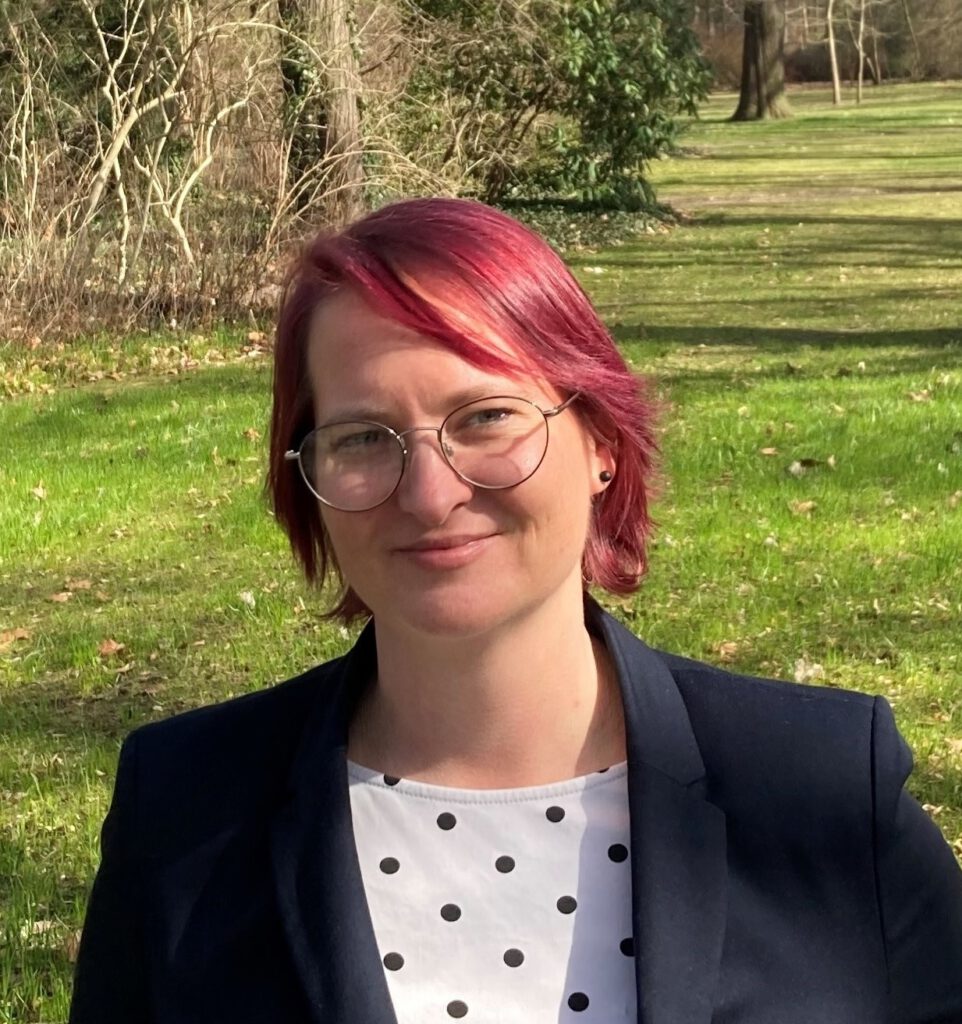
Inga Paul works as a cryptologist for Germany’s Federal Office for Information Security (BSI) since 2020.
She has a mathematical background with a PhD in representation theory.
At BSI, Inga is responsible for their cryptographic recommendations, including post-quantum cryptography. In addition, the realization of cryptographic aspects in technical products is an essential part of her work. By raising awareness, promoting migration strategies and establishing timelines, she supports the transition to PQC.
Johanna Sepúlveda
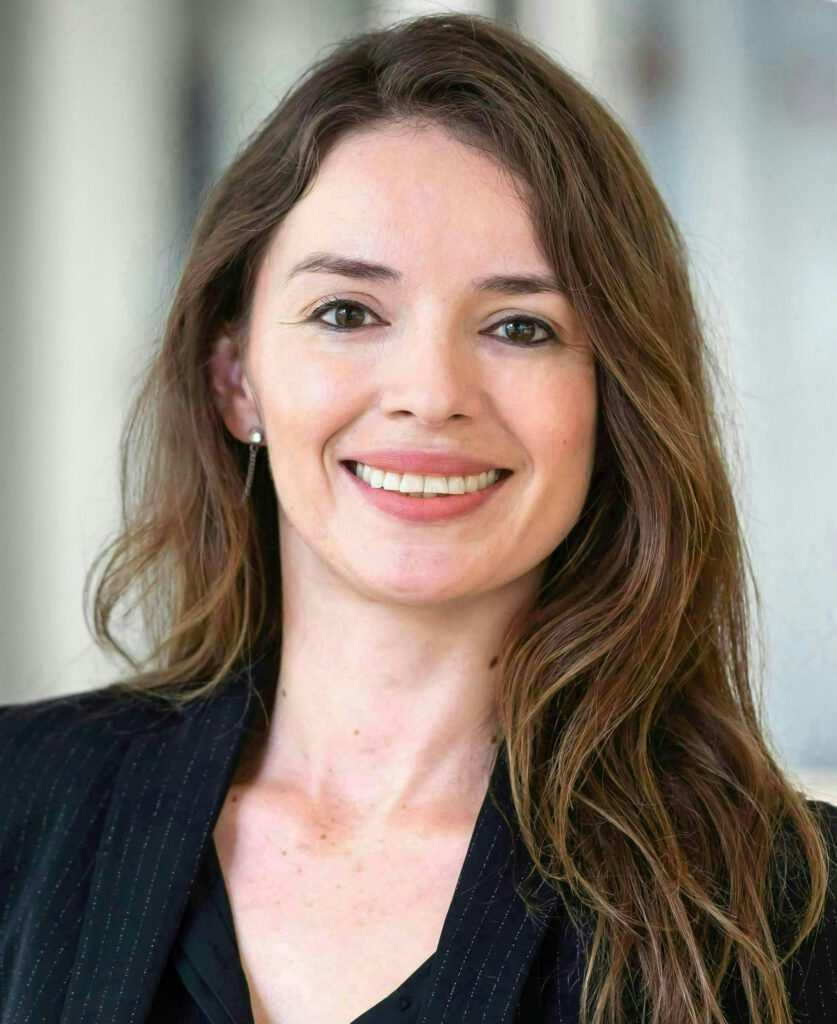
Johanna Sepúlveda received her M.Sc. and Ph.D. degrees in Electrical Engineering – Microelectronics from the University of São Paulo, Brazil. She was a Senior Researcher in the area of security and emerging technologies at the University of South Brittany (France), INRIA (France) and at the Technical University of Munich (Germany).
Currently, she holds a position as the Airbus Senior Expert on Quantum-Secure Technologies and Technical Domain Manager for Quantum Technologies in all Airbus Defence and Space, being Chief Engineer of different European quantum initiatives such as the European Quantum Communication Infrastructure (EuroQCI), quantum sensing for defence and national projects regarding quantum computing.
As vice-chair of the Strategic Advisory Board of Quantum Technologies for the European Commission she led the European Quantum KPIs evaluation, supporting tracking of the European progress in the quantum area. She is also the leader of the Strategic Industry Roadmap at the European Quantum Industry Consortium (QuIC) and Associate editor and technical expert at NATO Science and Technology Organization. She has more than 15 years of experience in R&T and R&D in the area of security, networked systems, HPC, and quantum technologies.
Picture: Airbus Defence and Space
Ini Kong
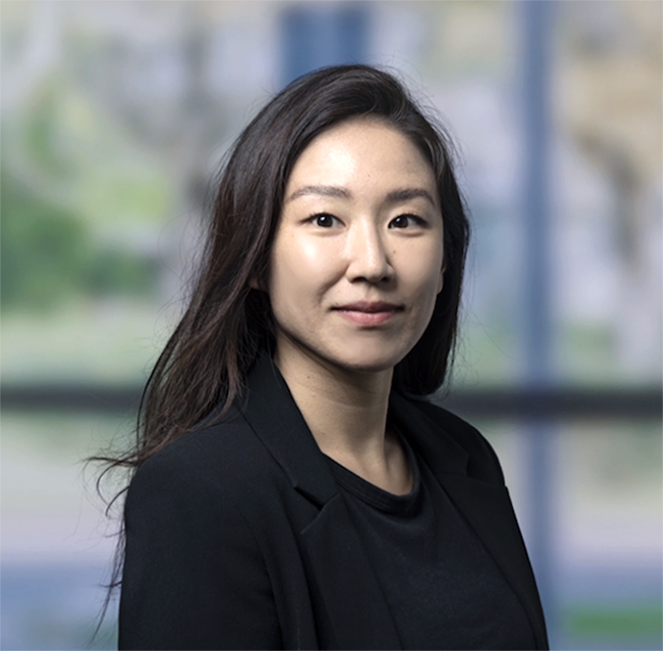
Dr. Ini Kong holds a PhD from the Faculty of Technology, Policy and Management at TU Delft. Her doctoral research (NWO-funded HAPKIDO project) developed a stage-based growth model for how organizations can achieve quantum safety, with implications for cross-sector and national coordination on post-quantum readiness.
Her research has been recognized with the Best Management Paper Award at the International Conference on Digital Government Research and the Best ESS PhD Paper Award at TU Delft. She has contributed subject-matter expertise to European-level PQC coordination efforts, including the CEPS task force on the EU’s transition to a quantum-safe world, and her work has been cited by the World Bank Group.
She carries this expertise into industry, working in cybersecurity governance for maritime critical infrastructure. She also volunteers with the Skilling and Education team at Women4Cyber Netherlands.
Mark Chang
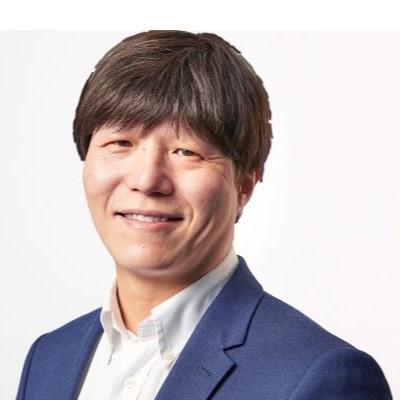
Mark Chang
Mark Chang has a 25+ year career in the space industry, working with major satellite operators, prime integrators, international & national government agencies and private sector SMEs. Over a 10-year period within this, he led a range of activities across the innovative technologies sector, including trials and space qualification of unique cryptographic functions for satellite communication, some in a crypto-agile manner.
Mark spearheads the UK space innovation business for Capgemini. Within that he leads on post-quantum-computing cryptography (PQC) assessments, strategies and specialist advice to public & private sector clients, preparing them for PQC implementation and cryptographic agility appropriate to their needs.
He is a Department of Science, Innovation and Technology Expert Exchange Fellow in the UK Space Agency.
Julian van Velzen
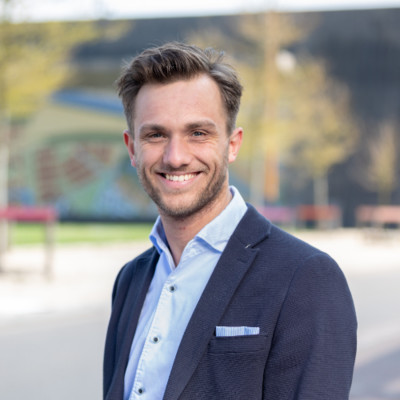
Julian van Velzen is Head of Capgemini’s Quantum Lab, a global network of experts, facilities, and partners.
His work spans three core areas. First, quantum technology advisory, ranging from technical due diligence and strategic investment guidance to the identification and development of emerging applications. Second, quantum safe transformation, covering the full lifecycle from discovery and planning through testing, validation, certification, deployment, and the design of next generation quantum safe architectures. Third, scientific intelligence, combining simulation, AI, and data with advanced computing—leveraging HPC today and quantum over time—in closed-loop workflows tightly integrated with physical experimentation.
Julian oversees both Capgemini’s research agenda in these domains and the delivery of client engagements.
Prokopios Drogkaris
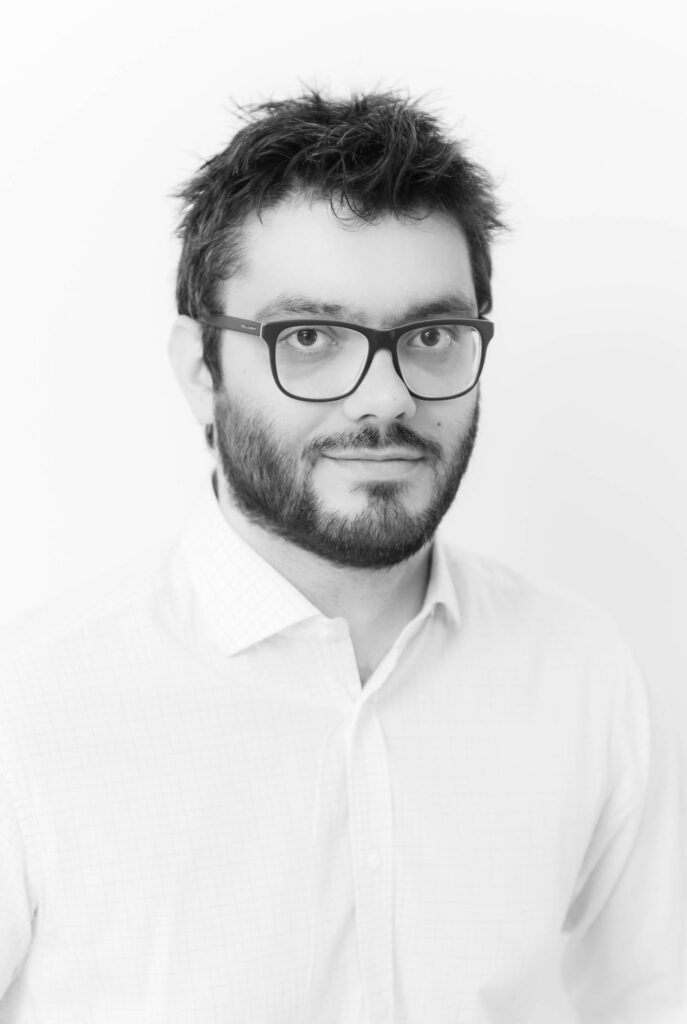
Prokopios Drogkaris holds a PhD in Privacy and Security in e-Government Information Systems from the University of the Aegean.
After a PostDoc position at University of Piraeus, in the Department of Digital Systems, he joined the European Union Agency for Cybersecurity (ENISA).
At ENISA, he works in the areas of Privacy, Data Protection, Cyber Resilience Act and Post Quantum Cryptography as a Cybersecurity expert and deputy Data Protection Office (DPO). Furthermore, he serves as deputy Data Protection Officer (DPO) at the European Cybersecurity Competence Centre (ECCC).
Bob Oates
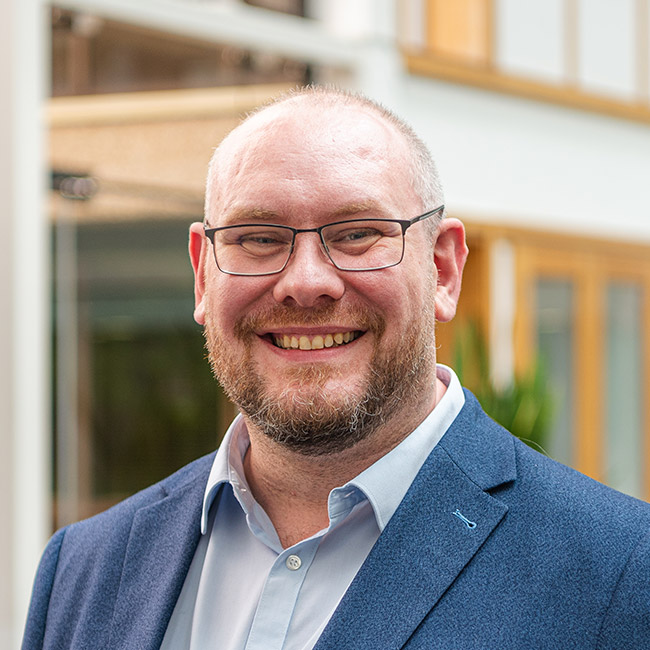
Dr Bob Oates is a cyber security expert with over a decade of industrial experience, focussing predominantly on safety-critical, operational technologies and critical national infrastructure. He is the technical lead for Cambridge Consultants’ post-quantum cryptography services.
As a technical expert Dr Oates has worked on a number of highly-complex and challenging programmes including the security for the world’s first commercial, remotely operated ship.
As an employee of Rolls-Royce Dr Oates won the Sir Henry Royce award twice, once as part of the team behind remotely operated ships, and once as part of the team behind a cryptographic framework for securing confidential data on remote compute resource for computational fluid dynamics. During his time at the National Grid he predominantly focussed on the impact of OT/IT convergence on threat modelling by demonstrating how controls in one domain could prevent propagation of threats into adjacent domains.
Adrian Neal
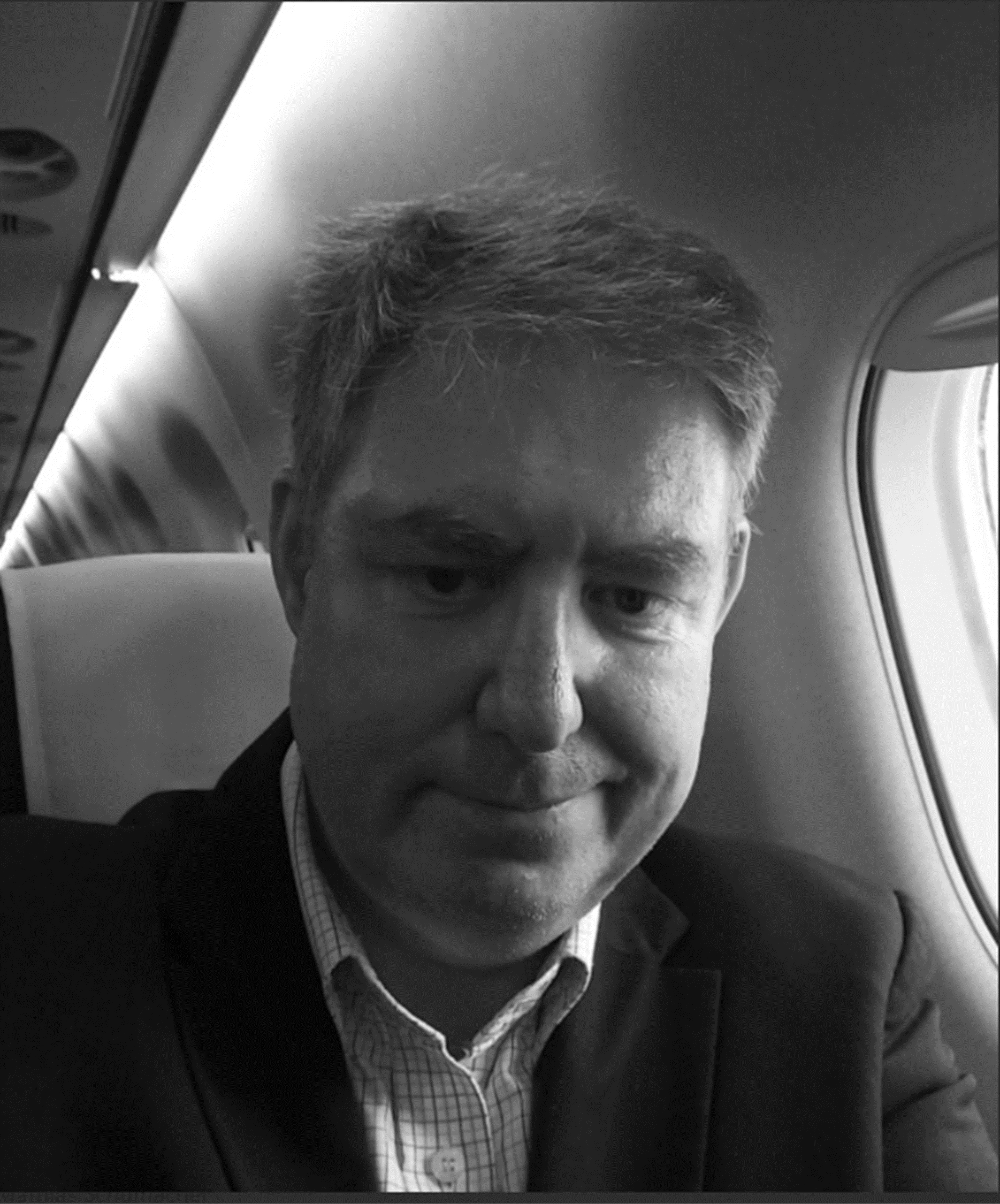
Adrian Neal serves as Senior Director, Post-Quantum Cryptography & Data Security, of Capgemini. A two-time NATO Defence Innovation Challenge winner, he is a globally recognized cybersecurity expert. With an Oxford Master’s degree in Software Engineering, he has 40 years of experience across multiple sectors worldwide.
Simon Etzold
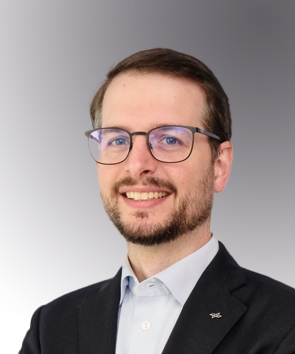
Simon Etzold has been working at the DLR Project Management Agency for over three years and has been part of the National Coordination Centre for Cybersecurity (NCC-DE) since the end of 2024. From his time at university, he is very familiar with the process of submitting applications under European funding programs. He now focuses on the European funding landscape from the perspective of funding consultancy in the field of cybersecurity – which naturally includes PQC.
Sjors Kasbergen
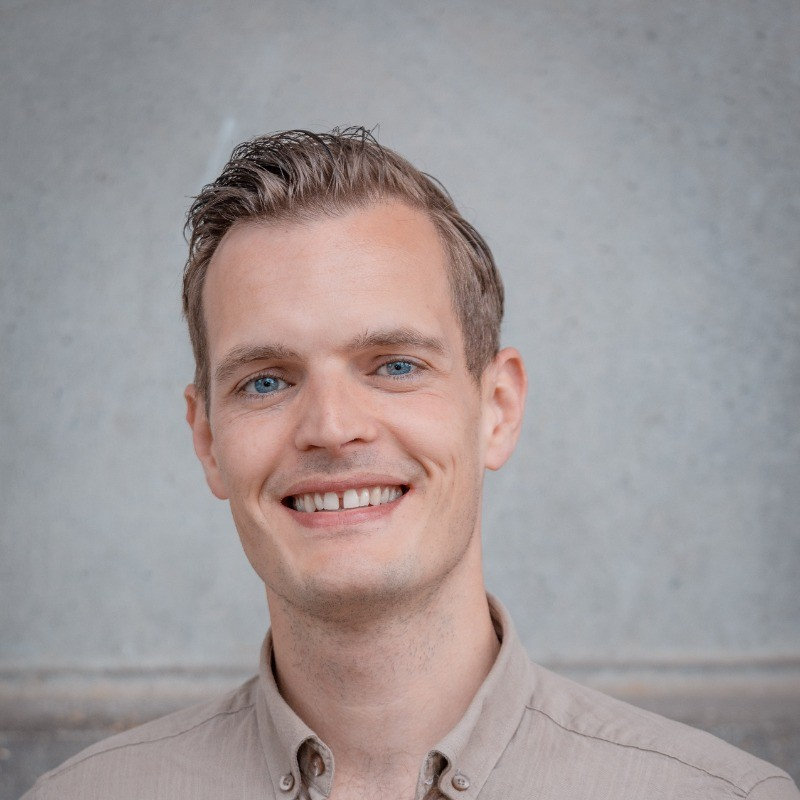
Sjors Kasbergen is an Identity & Access Management specialist at Stedin and chair of the Dutch grid operators’ PQC expert group under Netbeheer Nederland. His work focuses on helping organisations prepare for quantum-safe cryptography and build long-term crypto agility. Sjors is passionate about making complex problems understandable, relatable and actionable. Through practical storytelling and real-world examples, he helps organisations answer a simple question: What is the next logical step we should take?
Dr. Yiannis Pavlosoglou
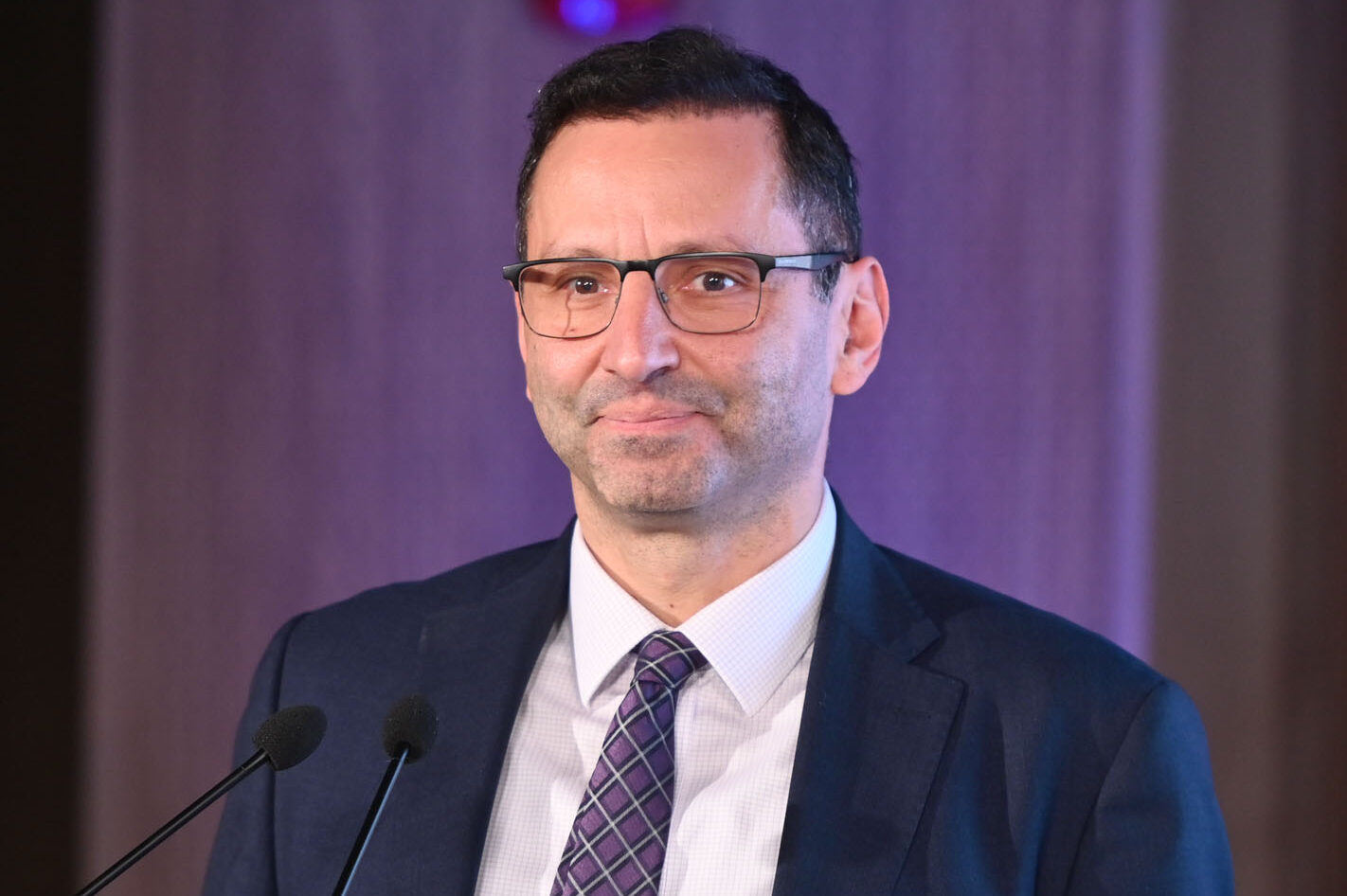
Dr. Yiannis Pavlosoglou is Vice Governor of the National Cybersecurity Authority of Greece and a cybersecurity executive with more than 20 years of experience in cyber resilience, critical infrastructure protection, and security governance. His interest in quantum-safe security began during his doctoral research, where he explored the BB84 quantum key distribution protocol and the implications of quantum technologies for secure communications.
Having served as CISO in both the private and public sectors across Europe and the United Kingdom, he is now an advocate for public institutions and critical sectors to prepare for the transition to Post-Quantum Cryptography (PQC) and broader quantum-era cyber risks. Dr. Pavlosoglou combines deep technical expertise with strategic leadership, contributing to resilience frameworks such as CERT-RMM and AI-RMM, and supporting national and European initiatives aimed at strengthening cybersecurity readiness in the face of emerging technologies.
His current work in the crypto-space emphasizes crypto-agility, digital resilience, and the practical adoption of quantum-safe security measures across government and critical infrastructure ecosystems.
Jeroen Gaiser
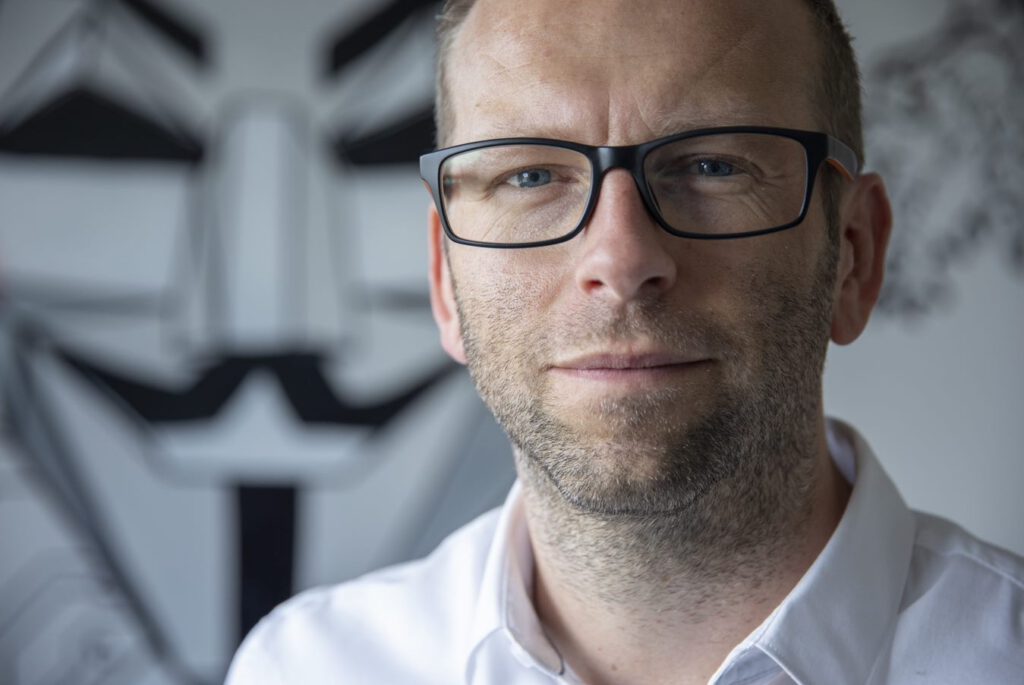
Jeroen is currently the deputy CISO of the ministry of Infrastructure and Water Management. He has 25+ years of technical background in IT, with a focus on cybersecurity in both IT and OT for the last 12 years. Building upon an operational knowledge in applying cryptography, including the policy role in the implementation of a FIPS 140-2 internal CA, he now aims to create an actionable approach to the PQC challenge.
Panagiotis Marzelas
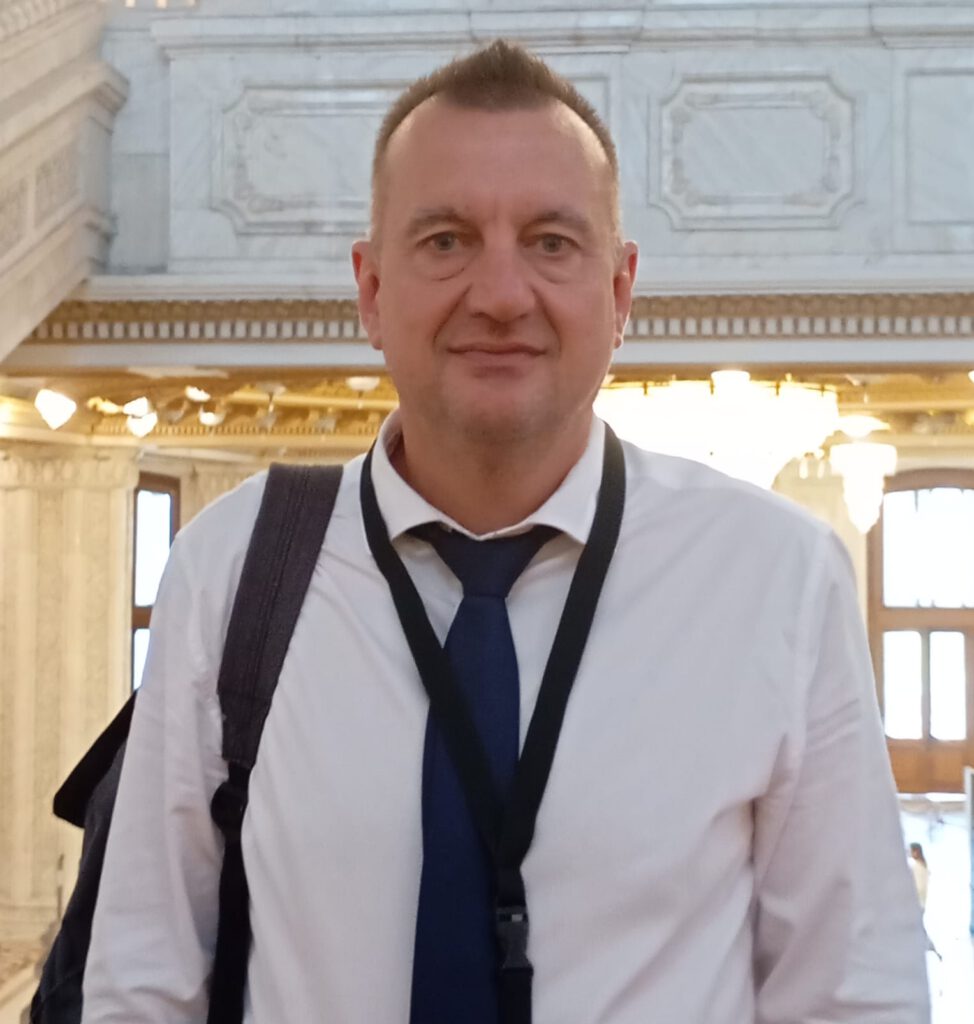
He is a cybersecurity engineer, with 25 years experience at the Greek Ministry of Foreign Affairs. Between 2019-2025, he joined the European Security and Defense College (ESDC), which is part of the European External Action Service (EEAS), organizing cybersecurity and Intelligence activities/workshops for EU Member States or geographical areas with political interest in EU (like the Western Balkans, the Eastern Neighborhood, Ukraine, Armenia, Moldova, and others)
Since 2025, Panagiotis Marzelas works at the European Cybersecurity Competence Centre (ECCC) as Project Officer and was assigned to contribute to the PQC cluster activities. Most recently, he hosted a panel at the PQC conference “Beyond the Algorithm” in Bucharest.
Pieter Schneider
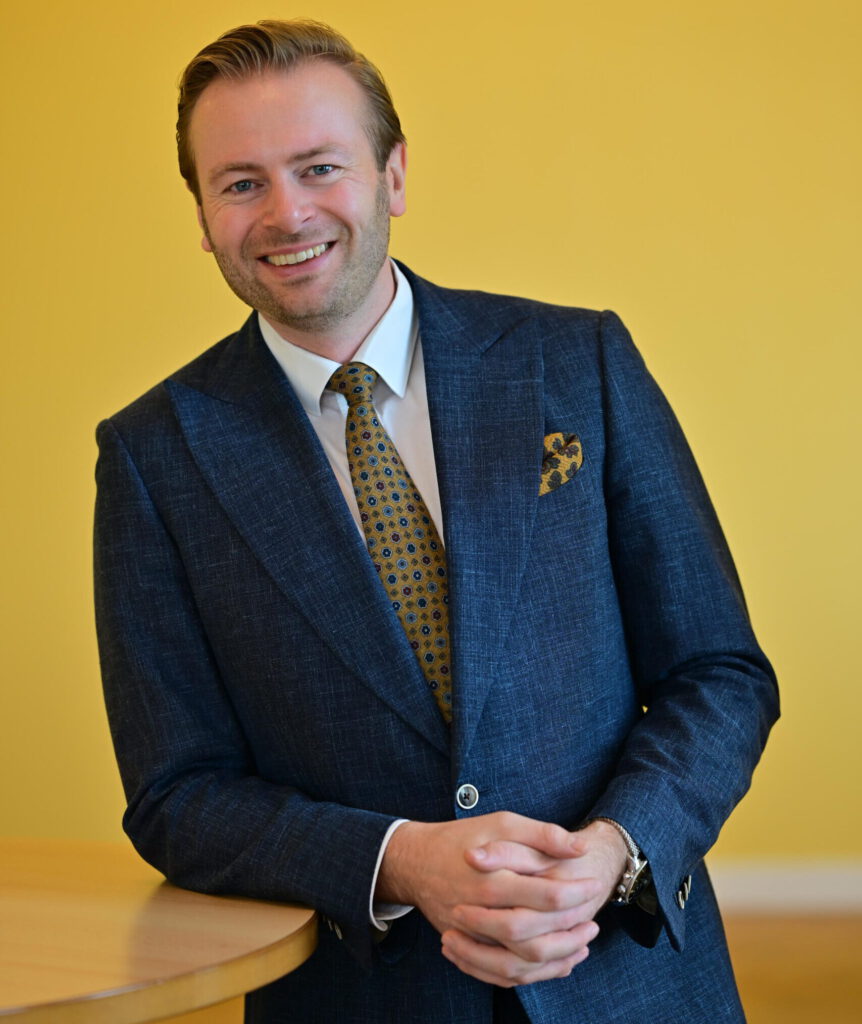
Pieter Schneider works as Program Manager Quantum Secure Cryptography NL (QvC-NL) at the CISO Government Office of the Ministry of the Interior & Kingdom Relations. Pieter has a broad background in the security domain and cybersecurity. In his current role, he manages the QvC-NL program, which aims to help The Netherlands manage the risks of quantum technology on cryptography in time.
Elif Yesilbek
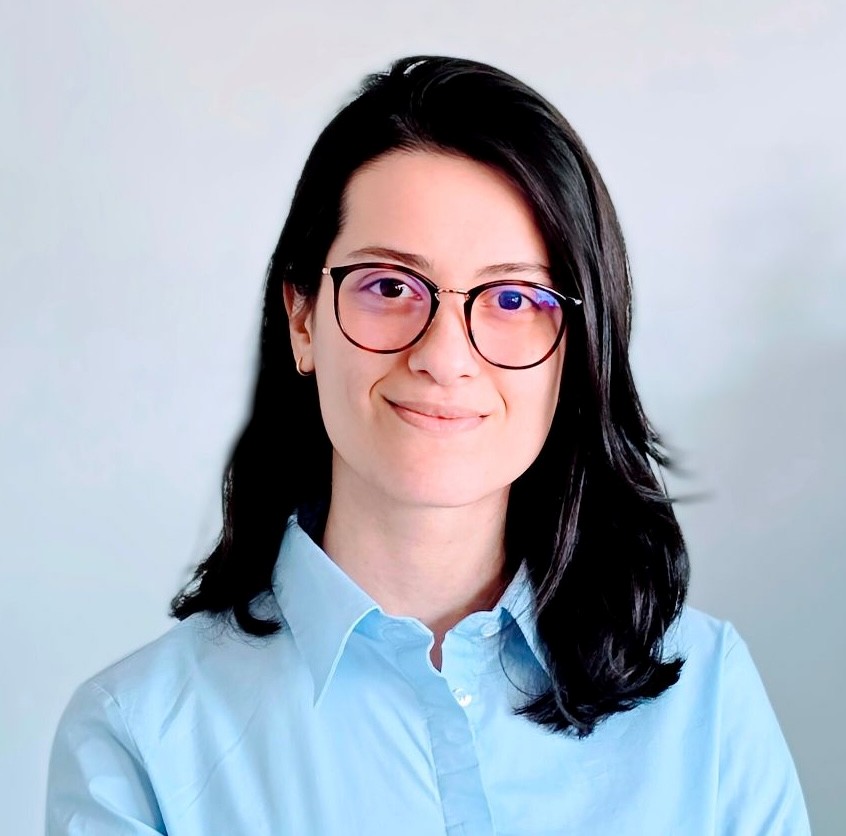
Elif Yesilbek studied Mathematics and Software Engineering, then completed her Computer Science master in information security, with focus on Cryptography. Currently she is working as a cryptographer and pursues her PhD in Cryptography. Her PhD thesis is about achieving crypto-agility as PQC becomes PKC, for fintech.
Christian Fischer
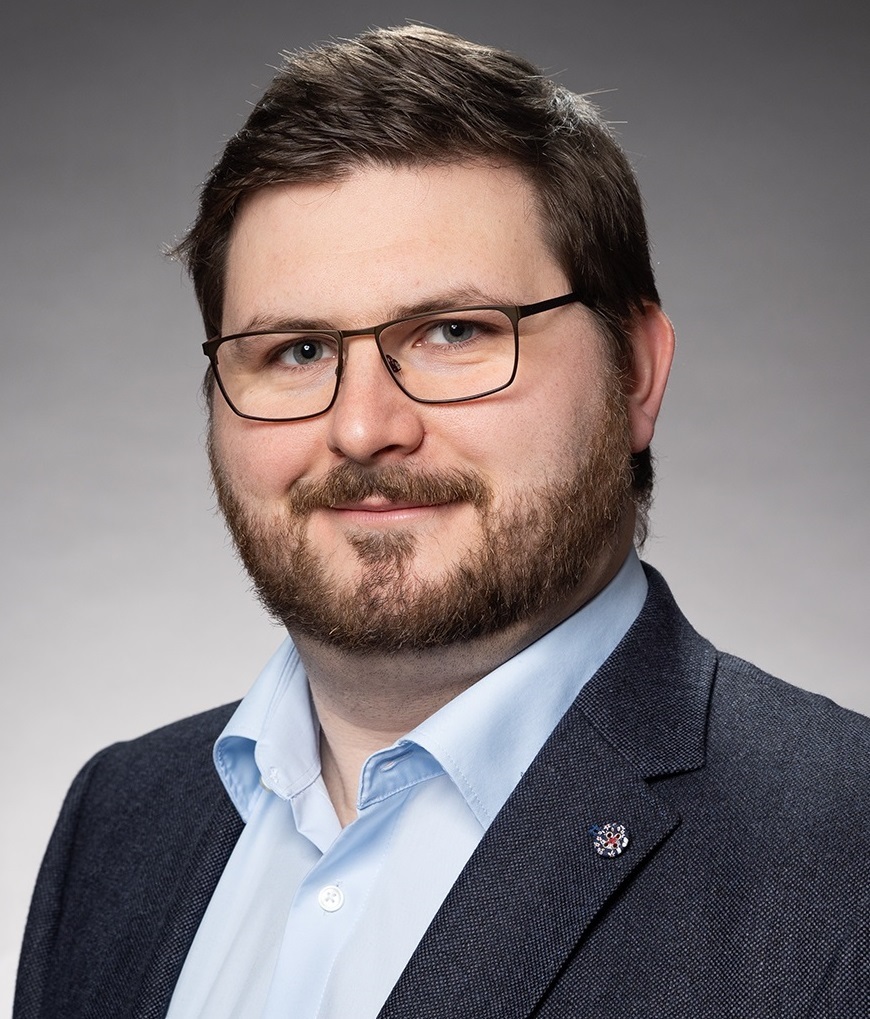
Dr Christian Fischer works at the DLR Project Management Agency for four years, where he works for the National Coordination Centre for Cybersecurity (NCC-DE). He is an expert on European funding programmes, particularly the Digital Europe Programme, acts as a funding adviser for start-ups and SMEs in the cybersecurity sector, and organises various events for NCC-DE. PQC plays an important role in the work of NCC-DE, as it represents the future of cryptography and European providers can still play significant roles in this field.
Affiliation: DLR Projektträger | National Coordination Centre for Cybersecurity Germany
Siebren Lepstra
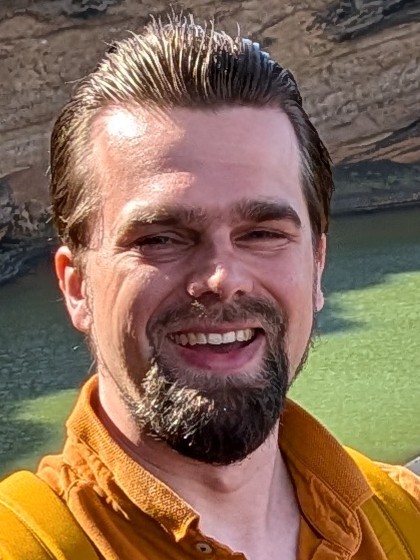
Siebren Lepstra is currently working as Enterprise Architect PKI and chip technology at the Judicial Information Service as part of the Dutch Ministry of Justice and Security. For the last ten years Siebren is involved in the field of PKI, chip technology, applied cryptography and, more recently, quantum technology. Quantum technology is evolving fast and poses significant risks to anything involving cryptography, including the travel documents we use every day.
For his master thesis, theory and field practice have been combined to take the first steps into adding post quantum cryptography into travel documents, specifically for passive authentication: the most important protocol for electronic travel documents used worldwide.
Kristof Verslype
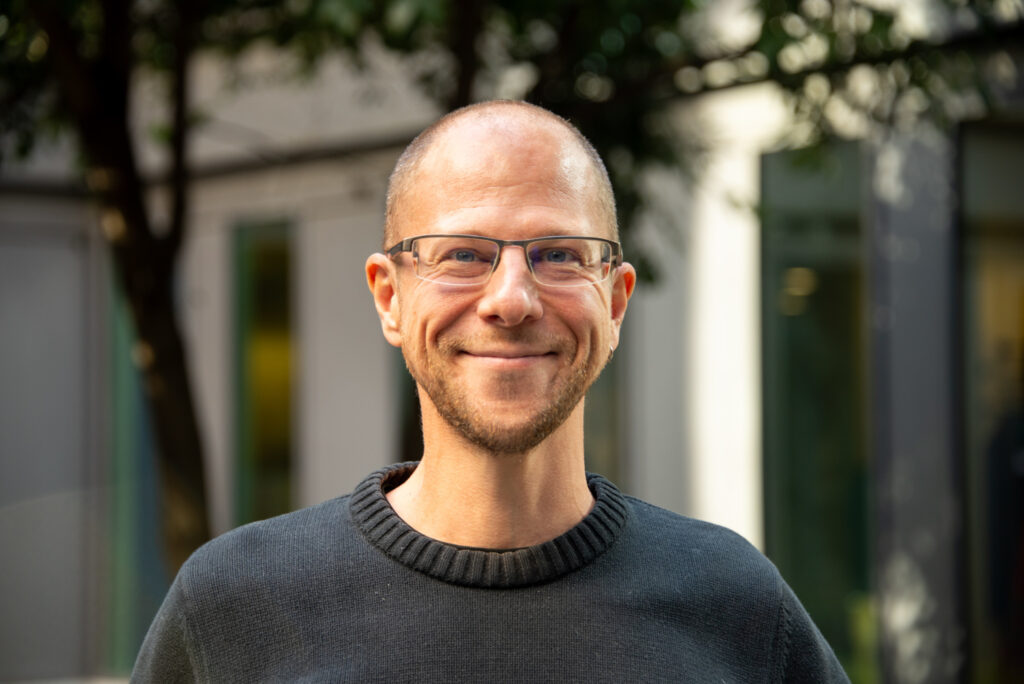
Kristof obtained a PhD in engineering sciences at the KU Leuven with research on cryptographic protection of privacy with anonymous credentials and zero-knowledge proofs. In this context, he won the best paper award at the International Conference on Security and Cryptography (SECRYPT). In 2011, he joined the research department of Smals, an IT service provider for the Belgian public sector.
His current domains are post-quantum cryptography, advanced identifier pseudonymization and fully homomorphic Encryption (FHE). In 2024, he was nominated for the Privacy Professional Award by Belgium’s Cyber Security Coalition.
In 2025 the Blinded Pseudonymization Service he co-developed for Belgium’s eHealth-platform received the runner-up (2nd) Award issued by Cybersec Europe for Best Cybersecurity Innovation Europe.
Manon de Vries
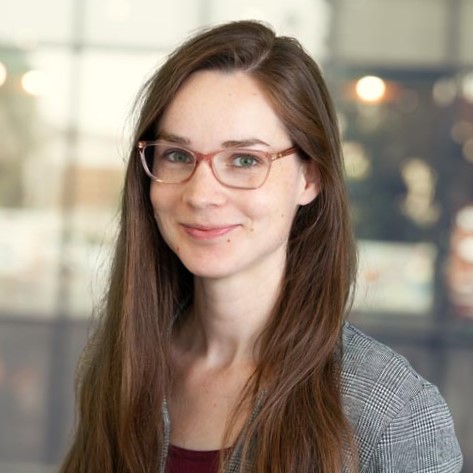
Ir. Manon de Vries is an Applied Cryptography researcher at TNO. She has over 10 years of practical security and cryptographic experience, which includes teaching courses on Cryptography and PKI.
She led the PQC Benchmarking project within the PCSI (Partnership for Cyber Security Innovation) and participates in the PCSI PQC Workgroup, where TNO works together with ING, ABN Amro, Achmea, SSC-ICT, the Netherlands Vehicle authority (RDW) and the Dutch Tax office (Belastingdienst) on getting practical experience with the PQC migration.
Martina Vigorito
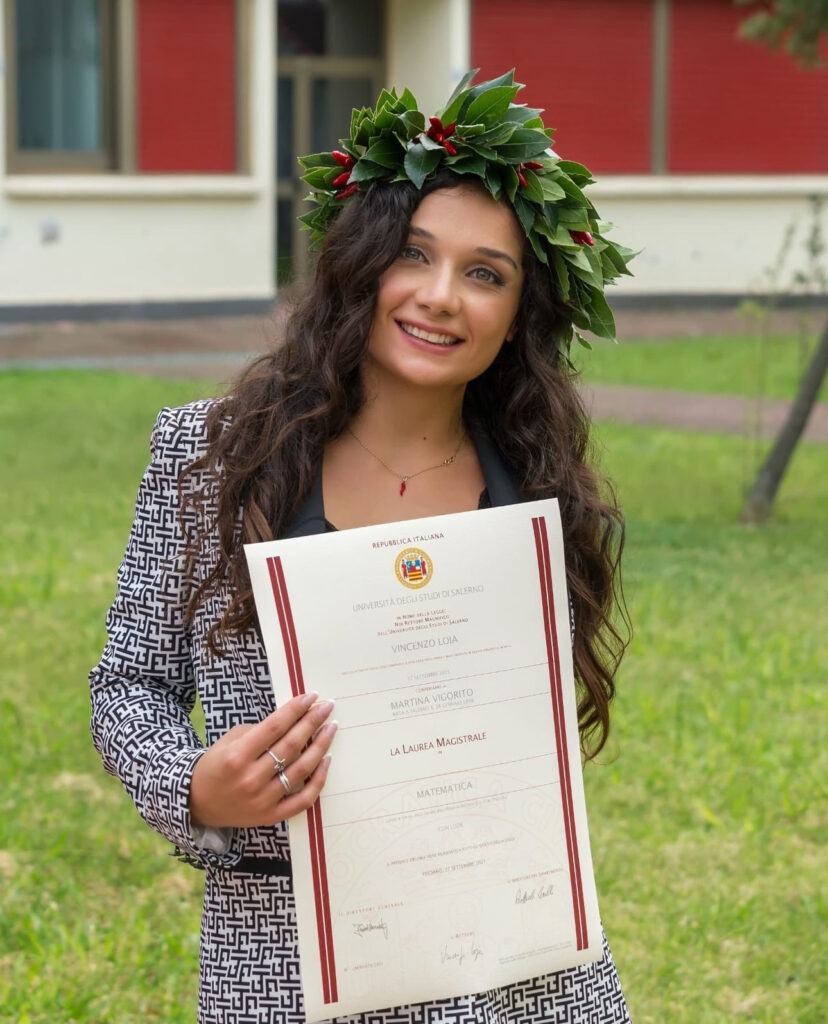
Martina Vigorito received her PhD in Algebra from the University of Salerno in 2025. She is currently an Associate Professor at EPITA and a researcher at the EPITA Research Laboratory (LRE) in Paris. Her research interests include post-quantum cryptography, cryptanalysis, secure protocols, and privacy-preserving cryptographic constructions. She works on the design and security analysis of cryptographic protocols, with a particular focus on post-quantum schemes, oblivious pseudorandom functions, and zero-knowledge techniques. Her recent work also investigates the practical deployment of quantum-resistant cryptography in real-world systems.
If you are interested to take part in The Hague Workshop 2026, please use our online form:
Important: Bring a form of ID (for example a passport, identification card or EU driver license) so that you can enter the building.
As the organization is extensive and costly for our local hosts, please only register if you are definitely planning to attend the workshop in The Hague, The Netherlands. If you have to cancel for important reasons, please send a message to info@qprep.eu so that we can adjust our plans accordingly.
Accomodation
Without making any assessment or giving any guarantee, the following hotels, among others, are possible options: tba
Further Information on the workshop:
- Places are limited and we will review the applications we receive for your background in cybersecurity, in public sector, or such activities related, and for provable reasonable interest in the topic of Q-PrEP and this workshop. Affiliation of an institution based in Europe is mandatory.
- The workshop does not ask any participation fee. However, due to budget restrictions, Q-PrEP is not capable of refunding travel or accommodation costs. We appreciate you are willing to travel and arrange an accommodation at your own expenses.
- The schedule of the workshop could still undergo certain (small) changes, whereas the date & venue are definitively fixed. We keep you up to date on the latest developments of the workshop planning, more details to be announced soon.
- Important: Bring a form of ID (for example a passport, identification card or EU driver license) so that you can enter the building.
- In the PDF below you will find some further usefull information regarding the location and travel.
Contact:
Please come back or ask our team info@qprep.eu.
We are looking forward to meeting you in The Hague 2026.
Foto von Alireza Parpaei auf Unsplash